A famous restaurant worth waiting in line for. It's bound to sell out! I recommend bringing a parasol. When you're waiting in line, you will often see license plates from other prefectures. People make the effort to come here! ...Ah, I am the same.
Overview
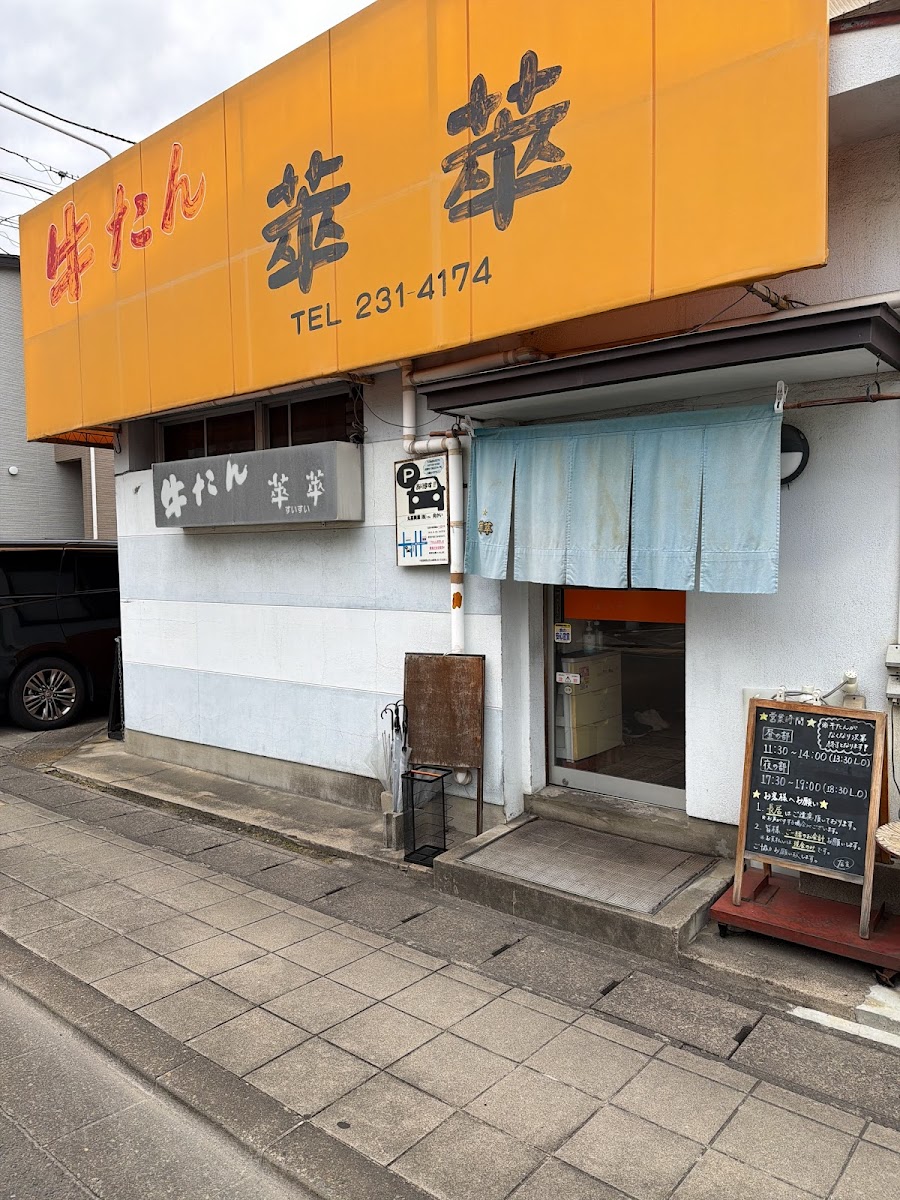
Walking into Gyutan Suisui feels like stepping straight into Sendai’s everyday food culture rather than a polished tourist stop. The shop sits quietly at 2 Chome-12-1 Haginomachi, Miyagino Ward, Sendai, Miyagi 983-0043, Japan, surrounded by residential streets and small businesses, which already tells you a lot about the crowd it serves. This is a place locals actually eat, not just somewhere they point visitors toward.
The menu stays focused, which is usually a good sign. Beef tongue is clearly the star, prepared using the traditional Sendai method that dates back to the postwar period. I watched the kitchen closely during my visit, and the process is careful but efficient. The tongue is sliced thick, lightly salted, and grilled slowly over charcoal. This matters because gyutan is unforgiving; rush it and you lose tenderness, overcook it and it turns chewy. Here, the balance is right. The surface develops a gentle char while the inside stays juicy, something even experienced home cooks struggle to pull off consistently.
A standard set comes with grilled tongue, barley rice, tail soup, and pickles. The rice deserves its own mention. Barley rice is not just tradition for tradition’s sake. According to data from Japan’s Ministry of Agriculture, barley contains more dietary fiber than white rice, which is one reason it pairs so well with rich grilled meat. The slightly nutty flavor also keeps the meal from feeling heavy. The tail soup is clear, clean, and deeply savory, made by simmering beef bones for hours until the broth turns naturally rich without becoming greasy.
What stands out after a few bites is how restrained everything feels. There’s no aggressive seasoning or unnecessary garnish. A small dish of chili paste sits on the table if you want heat, but the kitchen clearly trusts the quality of the ingredients. That confidence shows experience. Restaurants specializing in gyutan often source tongue from specific cuts to ensure even thickness, and the consistency here suggests long-standing supplier relationships rather than last-minute sourcing.
Reviews from regular customers often mention reliability, and that tracks with what I saw. People come in, eat, and leave satisfied without ceremony. One diner next to me said he stops by after work twice a week because he knows exactly what he’ll get. That kind of habit doesn’t form unless a restaurant delivers consistently over time. While it doesn’t chase awards, it follows the same fundamentals praised by culinary organizations like the Japan Food Service Association, which emphasizes ingredient quality, preparation skill, and operational consistency as markers of long-term success.
The atmosphere is casual and unpretentious. Seating is compact, conversations are low-key, and service is quick without feeling rushed. If you’re expecting elaborate décor or English-heavy menus, this might feel limiting. That’s worth noting. The focus here is food first, comfort second, and everything else a distant third. Still, the staff is patient, and pointing at menu photos works just fine.
What makes the experience memorable isn’t novelty but execution. There’s something reassuring about eating a dish that hasn’t been reinvented or diluted. You taste what Sendai is known for, prepared the way locals expect it to be. As one customer put it, properly grilled beef tongue, and honestly, that sums it up better than any marketing ever could.
Good to know
Service options
✓ Takeaway ✓ Dine-in ✓ DeliveryPopular for
✓ Lunch ✓ Dinner ✓ Solo diningAccessibility
✓ Wheelchair-accessible car park ✓ Wheelchair-accessible entrance ✓ Wheelchair-accessible seating ✓ Wheelchair-accessible toiletOfferings
✓ Alcohol ✓ BeerDining options
✓ Lunch ✓ Dinner ✓ Table serviceAmenities
✓ ToiletCrowd
✓ TouristsPlanning
✓ Accepts reservationsPayments
✓ Cash only ✓ au PAY ✓ PayPay ✓ Rakuten Pay ✓ Transit IC cards ✓ V-MoneyParking
✓ Free parking lot ✓ ParkingPhotos
1 / 4
Location
Reviews
- No ratings yet 699 reviews
Really good beef tone in town. Not easy to reach but definitely worth to visit here. The price is a bit higher than others (¥2000 as regular set) but still a reasonable price. LOVE HERE
出張時、開店時間に合わせ、17時過ぎから並び二番手で入店。 仙台出身のジムトレーナーが学生時代に通ってたお店らしく、教えてもらって以来の大ファン。来たのは数年ぶり。 この店の“スペシャル牛タン”は他では味わえない肉質で超逸品。火の通り加減も抜群。一番美味しく柔らかく食べられる。 数年振りに来たら、最近はTVにもよく取り上げられてるようで。まあ知られたらきっと流行るのは間違い無いと思ってた。
平日ランチでの訪問となります。 以前より行きたいお店として記憶におりましたが、なかなかタイミングが合わず、今回ようやく訪れることができました。 メニューより牛たんセット1.5人前とライスは中でオーダーしました。 セット内容は牛たん、冷奴、とろろ、テールスープ、辛子味噌、お漬物となります。 牛たんはスジばった部分もなく、牛たんならではの食感を楽しむことができます。 中でもテールスープの肉質がとても良質で、お店の細部にまでこだわる丁寧な仕事が見受けられます。 牛たんもここ数年の急騰状態の続く中、価格面で沢山のお店が様々な苦労されているのだと感じます。 今日も美味しい牛たんをいただけたことに感謝します。 ご馳走様でした。
牛たんセット(1人前) 平日11:17着 待ち0人。11:23 後待ち4名に。 30分オープンだが早く開けていただいた。 お店は宮城野原駅から徒歩15分の立地。 牛タンはシンプルな味付けで香ばしく焼き上げてあり、異なる厚みで色々な食感が楽しめて旨い。テールスープ旨し。ご飯残念。牛タンは昨今の原料事情を考えればボリューム的に適正価格。 店内BGMないので無音でやや気まずい中、大将は元気に挨拶しているのが救い。 著名人サイン多数、親方が一番元気なお店。ご馳走さまでした。
食べ比べ牛たんセットをいただきました。厚切りのものが4枚、一般的な厚さのものが4枚、盛り付けされます。この厚切りの牛たんが絶品です。一般的な厚さの牛たんは他店でも同等のものは食べられますが、厚切りのものの美味さは他の牛たん屋さんではなかなか出会えないと思います。値は張りますが、萃萃さんを堪能したい方は食べ比べ牛たんセットの注文をオススメします。3連休後の平日正午10分前くらいに入店しましたが、自分の前に行列は無く、着席後に行列ができ始めました。無料の駐車場が西に140m行った所に用意してあり助かりました。
地元仙台の方はあまり知らないという名店! 昼にお邪魔しました。 どうせ仙台に来るなら食べておいて間違いない牛タンです!テールも美味しいそうですが、仕入れ状況によって無い時も。 売り切れもあるようなので開店時間を狙っていくのが良いかもしれません。